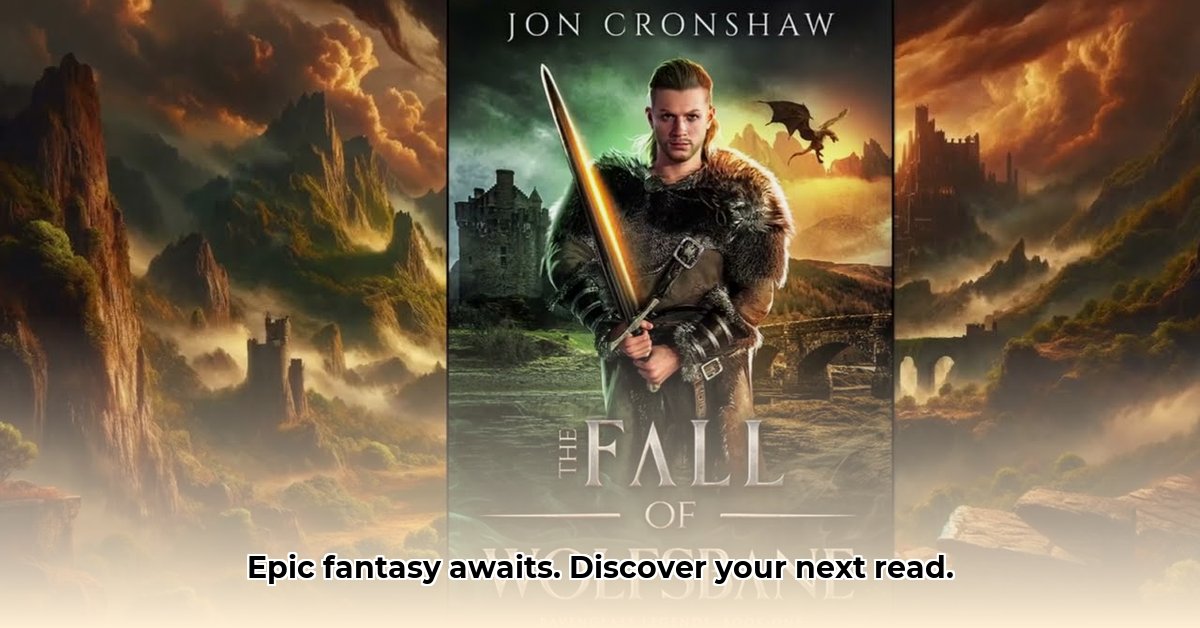
Defining Epic and Heroic Fantasy: A Necessary Distinction
The realms of epic and heroic fantasy, while intertwined, possess distinct characteristics. Heroic fantasy typically centers on a single protagonist's journey, emphasizing personal growth and a smaller-scale conflict. Think of it as an intimate portrait, focusing on the hero's internal struggles and external challenges within a defined setting. In contrast, epic fantasy unfolds on a grand scale, encompassing vast worlds, sprawling conflicts involving multiple nations, and often spanning generations. It's a panoramic view, a sweeping saga detailing the interconnected fates of numerous characters and the rise and fall of civilizations. While the lines can blur, understanding this fundamental difference allows for a more nuanced appreciation of each subgenre's unique strengths. However, it's crucial to remember that genre classification remains inherently subjective; what one reader considers "epic," another may perceive as "heroic." For more examples of heroic fantasy, check out this great resource: more hero books.
The Best Heroic Fantasy Books: Focused Narratives of Extraordinary Individuals
Here are three exceptional examples of heroic fantasy that showcase the compelling power of individual journeys against remarkable odds:
The Name of the Wind by Patrick Rothfuss: A captivating tale framed as a recollection by Kvothe, a legendary figure recounting his extraordinary life. This immersive narrative is rich with magic, mystery, and unforgettable characters, focusing intensely on Kvothe's personal trials and triumphs rather than broader geopolitical conflicts.
[Insert Book Cover Image]
Jonathan Strange & Mr Norrell by Susanna Clarke: This masterful blend of historical fiction and fantasy transports readers to Regency-era England, where two magicians, seemingly reviving lost magic, unleash unforeseen consequences. The intricate plot and richly developed characters draw the reader into their individual struggles against the backdrop of a subtly altered historical setting.
[Insert Book Cover Image]
Tigana by Guy Gavriel Kay: A poignant exploration of a lost kingdom and the desperate fight to reclaim it. Kay's evocative prose masterfully creates a world that feels both tangible and fantastical, anchoring the emotionally resonant narrative in the intimate struggles of its memorable characters.
[Insert Book Cover Image]
The Best Epic Fantasy Books: Sprawling Sagas of Worlds in Conflict
These three books exemplify the scope and ambition of epic fantasy, showcasing intricate world-building and multi-generational conflicts:
The Lord of the Rings by J.R.R. Tolkien: The seminal work of epic fantasy, this timeless classic needs little introduction. Its meticulously crafted world, memorable characters, and sprawling narrative established the benchmark for the genre, encompassing a vast landscape, diverse races, and a compelling struggle between good and evil across multiple kingdoms.
[Insert Book Cover Image]
A Song of Ice and Fire (Game of Thrones) by George R.R. Martin: A gripping tale of political intrigue, betrayal, and epic battles, this series unfolds across a richly detailed world with a complex network of interwoven storylines. The morally ambiguous characters and unpredictable plot twists captivate readers with their vast scope and intricate interplay of power.
[Insert Book Cover Image]
The Wheel of Time by Robert Jordan: An ambitious series with a massive cast of characters, a deeply developed magic system, and a complex overarching plot, this epic saga demands a commitment, but rewards readers with a richly imagined world and a grand, intricately woven story that spans generations.
[Insert Book Cover Image]
A Comparative Analysis: Scope, Focus, and Narrative Style
The core difference between heroic and epic fantasy lies in scope and focus. Heroic fantasy narrows its lens, concentrating on a single hero's journey and internal development, often within a contained geographical or temporal setting. Epic fantasy, however, embraces a panoramic view, encompassing vast geographical areas, diverse cultures, and multiple interwoven storylines stretching across generations. This difference fundamentally shapes the narrative structure: heroic fantasy often follows a linear progression, while epic fantasy may embrace more complexity and non-linearity. World-building also reflects this dichotomy; heroic fantasy often focuses on meticulous detail within a narrower scope, whereas epic fantasy requires a broader, more expansive world-building effort to support its intricate narratives.
Isn't it interesting how even within well-defined genres, the lines of distinction can become so blurred? This subjectivity is precisely what makes exploring both heroic and epic fantasy such a rewarding experience. The best books are those which transcend simple genre classifications, captivating readers through original storytelling, unforgettable characters, and deeply immersive worlds.
Conclusion: Embracing the Diversity of Fantasy Literature
Ultimately, the "best" epic hero fantasy books remain a matter of personal preference. However, by acknowledging the subtle yet significant differences between heroic and epic fantasy, readers can appreciate the unique strengths of each subgenre and discover a wider range of compelling narratives. Both offer distinct and rewarding reading experiences, and by exploring both, readers gain a richer understanding of the diverse and constantly evolving world of fantasy literature. So, embark on your own literary journey, discovering the magic and wonder that await within these captivating realms.